
Leading Foundation Repair Products for Addressing Structural Concerns
Identify top-performing products that help fix foundation issues and protect your property from future damage.
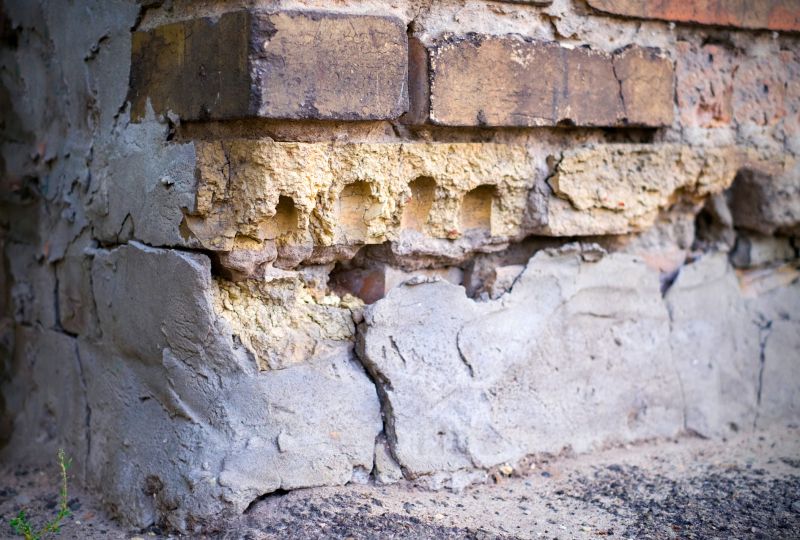 Foundation repairs are a critical aspect of maintaining the structural integrity of a building, especially in areas prone to shifting soil, moisture fluctuations, or settling. When assessing options for foundation repair products, it is essential to focus on solutions that offer durability, compatibility with various foundation types, and ease of installation. From crack injections to underpinning systems, a wide range of products are available to address different foundation issues. Proper selection and application of these products can help stabilize a foundation and prevent further damage, ultimately preserving the safety and value of a property.
Top Overall Option
Polyurethane Foam Injection System
Polyurethane foam injection systems are versatile solutions used to lift and stabilize foundations by filling voids and cracks. They expand upon application, providing immediate support and sealing against water intrusion. These systems are suitable for a variety of foundation types and are valued for their quick installation and minimal disruption. Properly applied, they can improve foundation stability and help prevent further settling or cracking.
Types of Products For Foundation Repairs
Epoxy Crack Injection
Used to seal and restore cracked concrete surfaces, epoxy injections reinforce structural integrity and prevent water ingress.
Polyurethane Foam
Expandable foam used to fill voids, lift slabs, and seal cracks, offering quick and effective stabilization.
Steel Push Piers
Support systems driven into bedrock or stable soil to lift and stabilize sinking foundations.
Helical Piers
Deep foundation support piers that rotate into the ground to provide stability for settling structures.
Underpinning Systems
Methods to strengthen and stabilize existing foundations by extending their depth or adding support elements.
Mudjacking / Slab Jacking
A process that lifts sunken concrete slabs by pumping a slurry beneath them, restoring levelness.
Carbon Fiber Reinforcement
Flexible strips used to reinforce cracked walls and prevent further movement or cracking.
Grout Injection
High-strength grout used to fill voids and stabilize foundation elements in need of reinforcement.
Drainage and Waterproofing Products
Systems designed to improve water management around foundations, reducing soil erosion and moisture-related issues.
Anchor Bolts and Plates
Used to secure framing and structural elements to concrete foundations, enhancing stability.
Soil Stabilizers
Chemical or mechanical solutions to improve soil strength and reduce shifting beneath foundations.
Vapor Barriers
Membranes installed to prevent moisture migration through foundation walls and floors.
Drain Tiles and Sump Pumps
Systems to divert water away from the foundation, reducing hydrostatic pressure and water damage.
Foundation Repair Kits
Complete sets of materials for small to medium repairs, including crack fillers, sealants, and supports.
Concrete Patching and Repair Mortars
Products designed to restore damaged concrete surfaces and prevent further deterioration.
Popular Choices
Widely used for sealing cracks and restoring concrete surfaces, offering a durable barrier against water.
Popular for quick repairs involving slab lifting and crack sealing, suitable for various foundation types.
Commonly selected for their ability to lift and stabilize sinking foundations by transferring load to stable soil.
Preferred for their ability to be installed in tight spaces and provide deep support in shifting soils.
A frequently used method for leveling sunken concrete slabs in driveways and patios.
Popular for reinforcing cracked basement walls without extensive demolition.
Effective options for managing water flow around foundations, reducing moisture-related issues.
Commonly used to protect basement walls from water intrusion and dampness.
Used for lifting and leveling uneven slabs or foundations with precision.
Popular for reducing moisture vapor transmission through basement floors and walls.
Widely used for repairing surface damage and preventing further deterioration of concrete structures.
Understanding the specific needs of your foundation is key to choosing the right repair products. For instance, some solutions are designed to lift and level uneven slabs, while others are intended to fill and seal cracks to prevent water intrusion. Many products are engineered to work with concrete, masonry, or wood foundations, ensuring a versatile approach to repairs. It is also important to consider the long-term performance and the compatibility of repair materials with existing structures to achieve effective results.
Professional consultation is often recommended when dealing with foundation issues, but having knowledge of available products can help homeowners and property managers make informed decisions. Repair products vary in application methods, from epoxy injections to polyurethane foams, and selecting the appropriate type depends on the severity and nature of the foundation problem. Proper installation and maintenance of these products can contribute to the overall stability and longevity of a building’s foundation.
In the context of Gallatin, TN, where soil conditions and climate factors can influence foundation health, choosing the right repair products becomes even more important. Local building codes and environmental considerations should also be taken into account when selecting repair solutions. By understanding the options available, property owners can better plan for repairs that suit their specific needs and ensure the structural safety of their properties over time.
Key Buying Considerations
- Identify the specific foundation issue, such as cracking, settling, or water intrusion.
- Consider the compatibility of repair products with your foundation material (concrete, masonry, wood).
- Assess the severity and extent of damage to determine the appropriate repair method and product type.
- Evaluate the long-term durability and performance expectations of the repair materials.
- Check if the product is suitable for the soil and climate conditions specific to Gallatin, TN.
- Determine whether professional installation is recommended or if DIY options are feasible.
- Review manufacturer instructions and warranties to ensure proper application and support.
- Consider the environmental conditions, such as moisture levels and drainage, that could affect repair longevity.
- Factor in the ease of application, including required tools and preparation work.
- Compare costs and benefits of different repair solutions to find the most suitable option.
- Ensure compliance with local building codes and regulations in Gallatin, TN.
- Look for products with proven track records and positive user feedback.
- Assess the need for ongoing maintenance or follow-up treatments.
- Determine the availability of technical support and customer service from suppliers.
- Plan for potential disruption during repair work and choose products accordingly.