Optimal Seasons for Foundation Repairs
Foundation repairs are most effective when performed under optimal weather conditions that allow for proper curing and settling. Timing plays a crucial role in ensuring long-lasting results and minimizing potential disruptions to property stability.
Spring offers moderate temperatures and consistent moisture levels, making it suitable for foundation repairs. Soil is less likely to be overly dry or saturated, facilitating effective repair work.
Fall provides cooler temperatures and stable soil conditions. Repair projects initiated during this time can benefit from the absence of extreme heat or cold, reducing risks of soil movement.
Extreme cold in winter can hinder curing processes, while high summer temperatures can cause rapid drying and cracking. These conditions are generally less ideal for foundation repair projects.
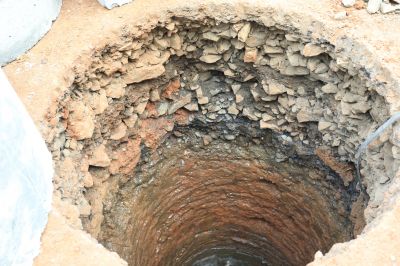
Soil is moist and stable, ideal for foundation work.
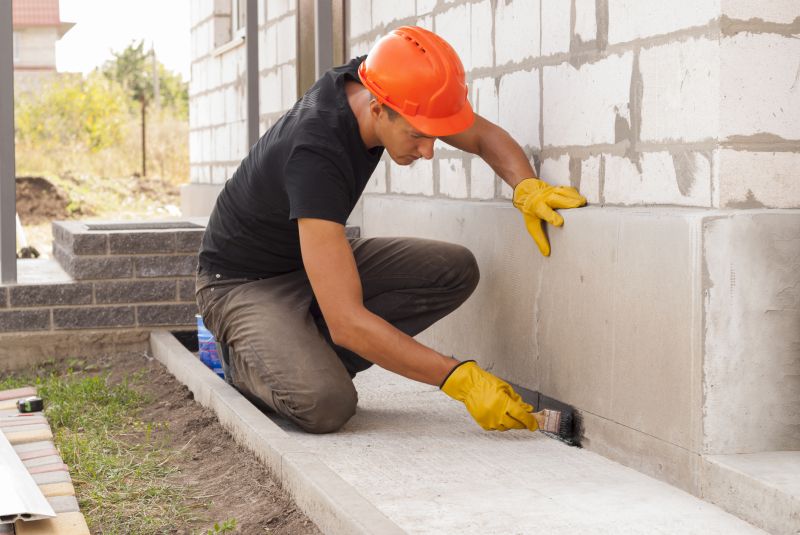
Cool temperatures help maintain soil stability during repairs.
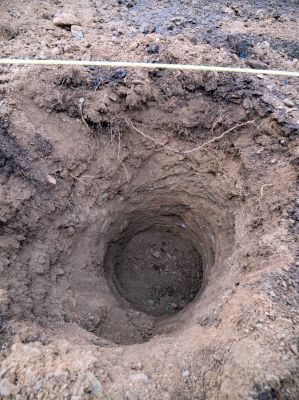
High temperatures can cause soil to dry out and shift.
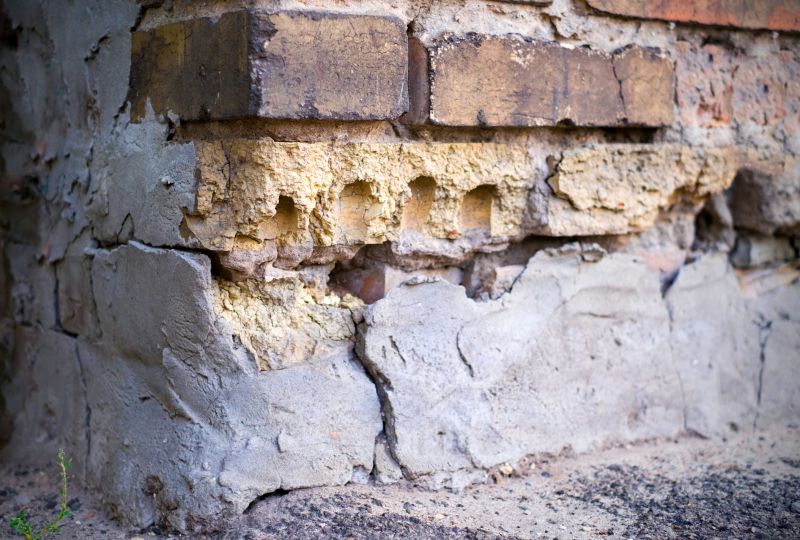
Cold weather can delay curing and setting times.
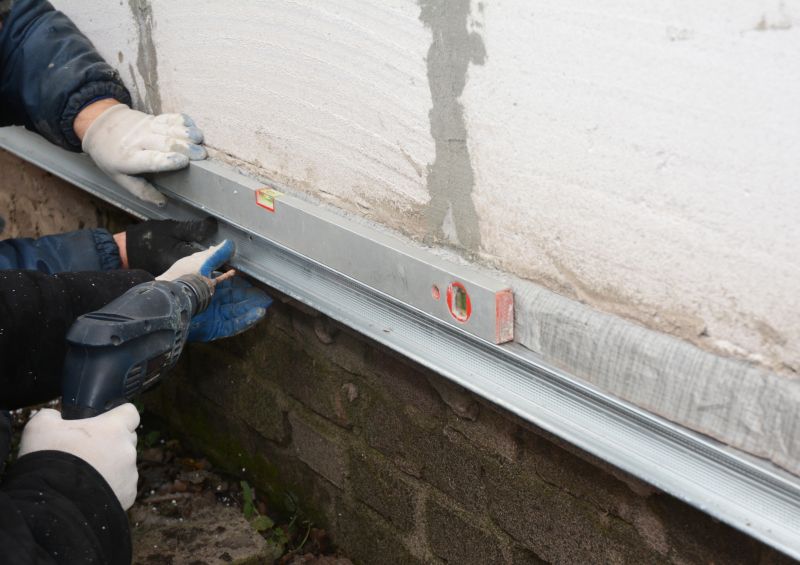
Proper timing ensures effective stabilization.
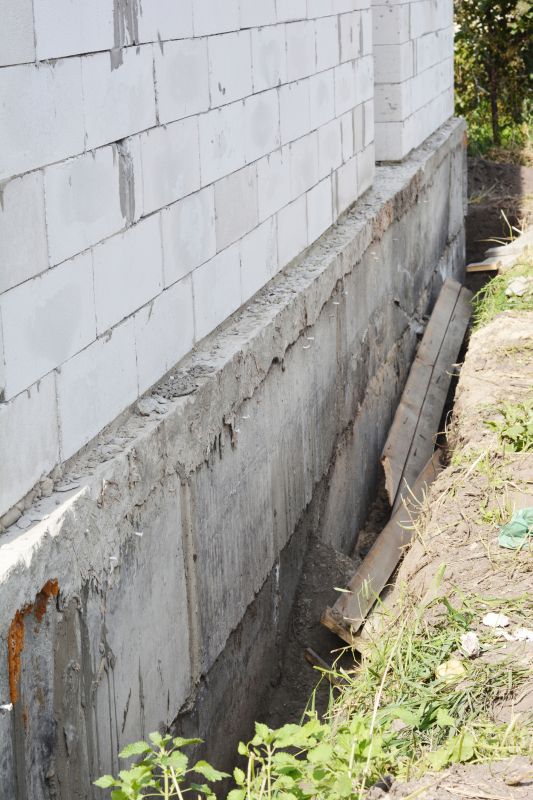
Soil settles best during moderate weather conditions.
| Season | Ideal Conditions |
|---|---|
| Spring | Moderate temperatures, moist soil |
| Summer | High temperatures, dry soil (less ideal) |
| Fall | Cool temperatures, stable soil |
| Winter | Cold weather, potential delays |
Foundation repairs involve addressing issues such as settling, cracking, and shifting that can compromise the structural integrity of a building. Proper timing ensures that repairs are effective and durable. Soil conditions, weather patterns, and temperature fluctuations influence the success of foundation stabilization efforts. Studies indicate that performing repairs during moderate weather conditions can reduce the risk of future issues caused by soil movement and moisture variation.
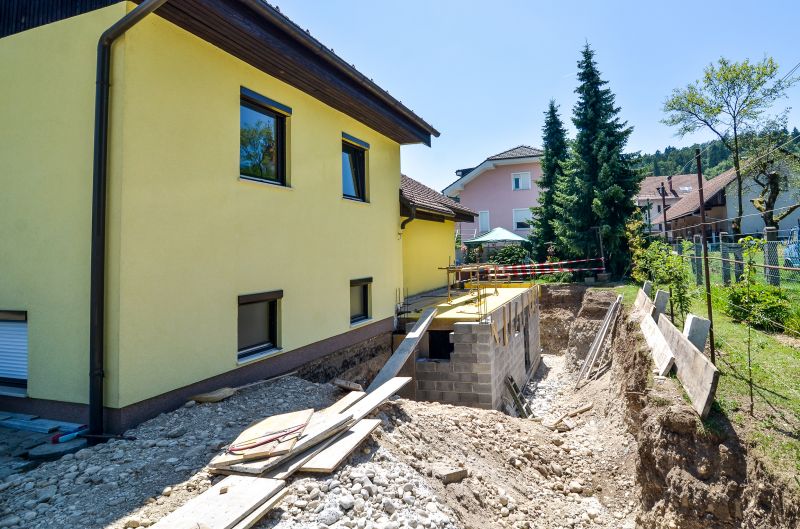
Professional repairs stabilize and strengthen foundations.
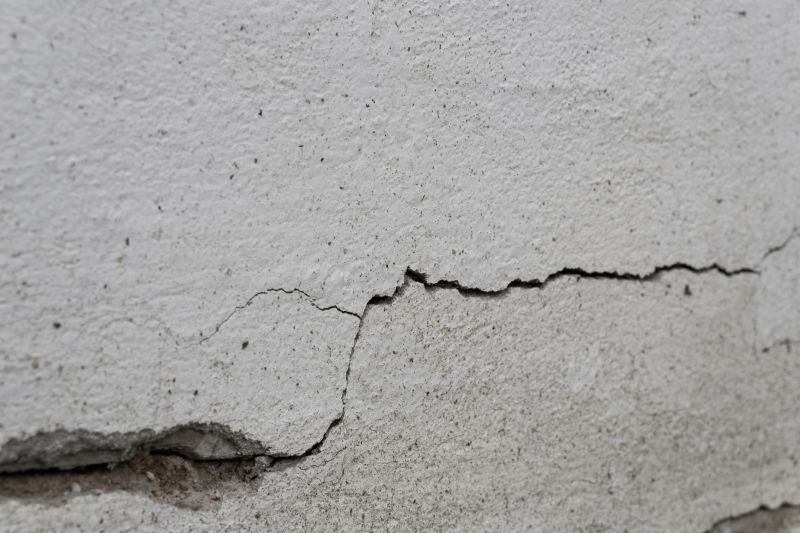
Addressing cracks prevents further structural damage.
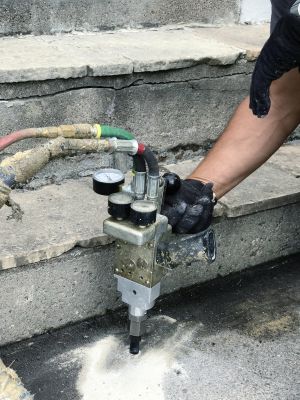
Methods include underpinning and mudjacking.
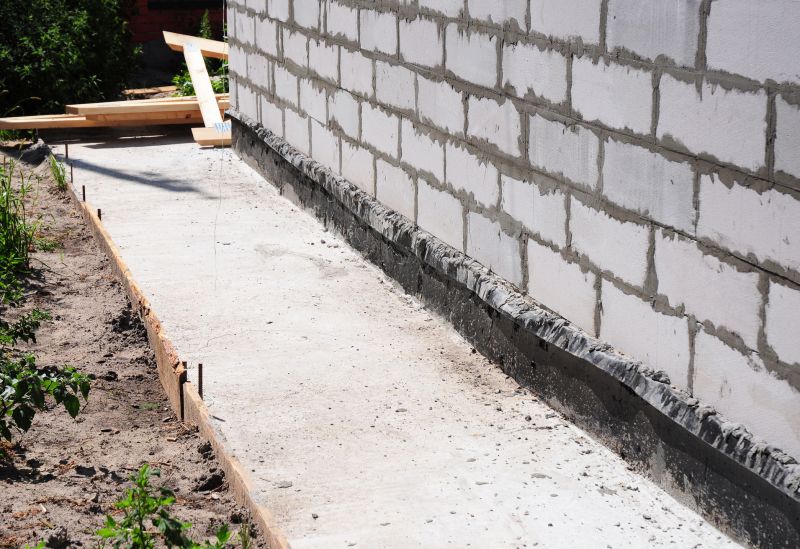
Ensures ongoing stability after repairs.
Timing foundation repairs appropriately can significantly impact their longevity and effectiveness. Consulting with foundation specialists can help determine the best window for repair projects based on current weather and soil conditions. Proper planning minimizes the risk of reoccurring issues caused by soil movement or moisture fluctuations.
Interested property owners in Gallatin, TN, can consider scheduling foundation repairs during favorable seasons to ensure optimal results. Filling out the contact form provides an opportunity to receive tailored advice and scheduling options for foundation stabilization needs.